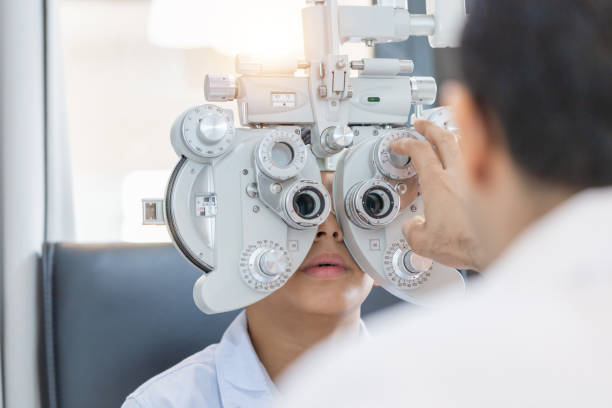
The field of eye care is rapidly evolving as technological advancements transform how patients’ access, receive, and benefit from vision health services. By 2025, significant trends are expected to redefine the industry, with artificial intelligence (AI), tele-optometry, and multichannel approaches playing key roles in improving care delivery and patient outcomes. Below is an exploration of these emerging trends and their potential to reshape the future of eye care.
Houston Eye Care Specialists – Advancing Precision in Eye Health with Artificial Intelligence
AI-driven technologies are becoming instrumental in diagnosing and managing various eye-related conditions. These innovations leverage machine learning algorithms to analyze complex datasets with unprecedented speed and accuracy.
Key applications of AI in eye care:
– Automated Disease Detection: AI-powered tools can detect early signs of glaucoma, diabetic retinopathy, macular degeneration, and other vision-threatening disorders by analyzing retinal images.
– Personalized Treatment Plans: Machine learning models help ophthalmologists design customized treatment strategies based on a patient’s unique medical history.
– Predictive Analytics: AI algorithms predict disease progression by studying patterns from previous cases, enabling preventive interventions.
Benefits for patients and providers: | Benefit | Description | |—————————–|—————————————————————————–| | Faster Diagnoses | Reduces time required for identifying issues through automated analysis. | | Improved Accuracy | Minimizes human errors in detecting subtle abnormalities. | | Enhanced Efficiency | Allows providers to focus on patient interactions rather than manual tasks.|
Houston Eye Clinic – Bridging Accessibility Gaps with Tele-Optometry
Tele-optometry is revolutionizing how patients access vision health services by enabling remote consultations with licensed optometrists or ophthalmologists. This approach offers unparalleled convenience for those living in rural or underserved areas or for individuals unable to attend physical appointments.
How tele-optometry works:
1. Patients schedule virtual appointments using secure telehealth platforms.
2. Digital tools like mobile apps or home-based devices collect basic vision data.
3. Optometrists conduct virtual consultations to evaluate symptoms or provide follow-up care.
Advantages of tele-optometry:
– Convenience: Patients can seek professional advice from the comfort of their homes.
– Enhanced Coverage: Extends services to remote regions where traditional clinics may not be available.
– Cost Efficiency: Reduces overhead costs related to infrastructure without compromising quality.
Multichannel Care – A Patient-Centric Approach
Comprehensive eye care increasingly demands a multichannel approach that integrates in-person visits with digital solutions and self-care tools. This model focuses on improving accessibility while emphasizing patient engagement throughout their healthcare journey.
Features of a multichannel system:
– Digital Appointment Scheduling: Allows patients to book visits online seamlessly.
– Wearable Technology Integration: Devices such as smart glasses monitor real-time data related to vision performance.
– Patient Education Platforms: Interactive resources empower individuals to understand their conditions better.
Why multichannel care matters:
1. Facilitates continuity across various touchpoints (physical or digital).
2. Encourages proactive management through educational resources.
3. Improves adherence rates by offering personalized reminders for treatments or check-ups.
As these trends continue gaining traction into 2025, they promise more accurate diagnoses, wider access to essential services, and an improved overall experience tailored specifically toward each patient’s needs.
Discover Expert Eye Care with a Leading Optometrist in Houston TX
The field of eye care is undergoing significant transformations driven by advancements in technology, evolving patient needs, and a growing emphasis on preventive care. Modern practices are no longer limited to traditional methods; they are embracing innovation to enhance patient outcomes and streamline operations. Understanding these changes is essential for both practitioners and patients as they navigate this rapidly shifting landscape.
Advancements in Diagnostic Technology
- Optical Coherence Tomography (OCT): This non-invasive imaging technique provides detailed cross-sectional images of the retina, aiding in the diagnosis of diseases like glaucoma, diabetic retinopathy, and macular degeneration.
- Fundus Autofluorescence (FAF): Used to detect changes in the retina’s pigment epithelium, FAF is particularly useful for monitoring inherited retinal disorders.
- Wavefront Aberrometry: This tool measures refractive errors and visual imperfections beyond standard prescriptions, resulting in more accurate corrective measures.
The Integration of Artificial Intelligence
- Detect early signs of diseases such as diabetic retinopathy or macular degeneration.
- Predict disease progression based on individual patient data.
- Assist clinicians by offering tailored treatment recommendations.
For example, AI-based platforms like Google’s DeepMind have demonstrated remarkable accuracy in identifying complex retinal conditions. Such tools are not designed to replace doctors but rather augment their ability to deliver high-quality care.
Tele-Optometry: Bridging Distance Gaps
Tele-optometry has emerged as a pivotal element in modern eye care practices, particularly after the global pandemic highlighted the importance of remote healthcare solutions. Patients now have access to virtual consultations through secure platforms that ensure convenience without compromising professionalism.
Benefits of Tele-optometry
| Benefit | Description |
| Accessibility | Enables individuals in rural or remote areas to consult with specialists without travel. |
| Cost-effectiveness | Reduces costs associated with transportation and time off work. |
| Continuity of Care | Supports ongoing monitoring for chronic conditions like glaucoma or diabetic retinopathy. |
While tele-optometry cannot replace all face-to-face visits — such as those requiring physical procedures — it provides an invaluable supplement that expands access to vision healthcare services.
Multichannel Patient Engagement
- In-Person Care: Traditional appointments remain fundamental for tests requiring hands-on expertise or specialized equipment.
- Digital Portals: Secure online systems allow patients to schedule appointments, refill prescriptions, or review test results conveniently.
- Mobile Applications: Apps designed specifically for vision health help patients track symptoms or manage their condition on the go.
By implementing these multichannel approaches effectively, practices can improve patient satisfaction while ensuring continuity across different modes of engagement.
Eye care professionals must adapt to these trends while maintaining their commitment to personalized treatment. The evolving landscape offers opportunities not only for improved outcomes but also for fostering a deeper connection between providers and patients through innovative solutions tailored to individual needs.
How Artificial Intelligence is Revolutionizing Eye Care Diagnosis and Treatment
Artificial Intelligence (AI) is transforming the field of eye care, offering innovative solutions for diagnosis, treatment, and patient management. By leveraging machine learning algorithms and advanced imaging technologies, AI has introduced unprecedented accuracy, efficiency, and accessibility in ophthalmology.
AI in Eye Disease Diagnosis
AI-powered tools have proven highly effective in detecting eye diseases early. These systems analyze medical images such as fundus photographs or OCT (Optical Coherence Tomography) scans to identify abnormalities.
Some key applications include:
– Diabetic Retinopathy Detection: AI algorithms can screen retinal images to detect signs of diabetic retinopathy with remarkable accuracy.
– Glaucoma Screening: Machine learning models assess optic nerve damage and predict the risk of glaucoma progression.
– Age-Related Macular Degeneration (AMD): AI systems help in early detection by identifying patterns associated with AMD in retinal scans.
| Disease | AI Application | Benefits |
| Diabetic Retinopathy | Image analysis using deep learning | Early intervention and progression management |
| Glaucoma | Optic nerve imaging evaluation | Prevention of vision loss |
| Age-Related Macular Degeneration (AMD) | Risk assessment via OCT scans | Improved long-term outcomes |
Precision Treatment with AI
- Customized Cataract Surgery Planning: AI assists surgeons by calculating optimal intraocular lens (IOL) positioning for clearer post-surgical vision.
- Retinal Disease Management: Algorithms predict the effectiveness of anti-VEGF injections for conditions like AMD or diabetic macular edema, improving treatment outcomes.
Enhancing Accessibility Through Automated Tools

- Portable Diagnostic Devices: Affordable smartphone-based tools integrated with AI allow non-specialists to perform primary eye care screenings quickly and cost-effectively.
- Telemedicine Integration: Remote consultations powered by AI assist optometrists in diagnosing diseases without requiring patients’ physical presence.
Key Advantages of AI in Eye Care
- Improved Accuracy: Advanced algorithms reduce the likelihood of human error during diagnosis.
- Time Efficiency: Automated systems enable faster processing of test results.
- Enhanced Patient Outcomes: Early detection leads to timely treatment, reducing the risk of severe complications.
- Reduced Costs: Automation minimizes labor-intensive processes while optimizing resource use.
Challenges and Ethical Considerations
- Data Privacy Concerns – Ensuring patient information remains secure when processed through cloud-based platforms.
- Algorithm Bias – Addressing disparities that arise from training datasets lacking diversity.
- Regulatory Approvals – Gaining acceptance from governing bodies for widespread clinical use.
By addressing these challenges responsibly, the integration of artificial intelligence holds immense potential to revolutionize how we diagnose and treat eye conditions while safeguarding patient trust and safety.
The Growing Role and Benefits of Tele-Optometry Services in Vision Health
Tele-optometry has emerged as a transformative approach to delivering vision care, leveraging technology to provide accessible and efficient eye health services. As the demand for remote healthcare continues to rise, tele-optometry is reshaping how patients access examinations, consultations, and follow-ups.
Key Benefits of Tele-Optometry
- Accessibility for Rural and Underserved Areas
Patients living in remote or rural areas often face challenges accessing eye care services due to limited availability of specialists. Tele-optometry bridges this gap by enabling virtual consultations with licensed optometrists. This ensures that individuals in underserved regions have access to essential vision screenings and advice. - Convenience for Patients
Tele-optometry eliminates the need for patients to travel long distances or spend time in waiting rooms. Whether it’s a routine check-up or discussing symptoms with an eye doctor, virtual appointments allow individuals to receive care from the comfort of their homes. - Timely Diagnosis and Management
With tele-optometry tools like smartphone-based visual acuity tests and cloud-connected retinal imaging systems, early detection of conditions such as glaucoma, macular degeneration, and diabetic retinopathy becomes more feasible. Swift diagnosis through digital platforms can lead to timely interventions. - Cost Efficiency
By reducing travel costs and enabling quick access to specialists without requiring physical visits, tele-optometry can significantly lower expenses for both patients and healthcare systems.
Tele-Optometry Services at a Glance
| Service Type | Description | Tools Involved |
| Virtual Eye Exams | Basic vision tests conducted online | Visual acuity apps, webcams |
| Remote Consultations | Discussions with optometrists over video calls | Video conferencing software |
| Digital Imaging Review | Analysis of retinal scans uploaded by patients | AI-powered imaging platforms |
| Prescription Renewals | Updating eyewear or contact lens prescriptions | Online patient portals |
Challenges Facing Tele-Optometry Adoption
- Technology Limitations: Low-quality internet connections or lack of appropriate devices can obstruct virtual care delivery for some patients.
- Regulatory Hurdles: Different regions have varying laws governing online medical services, which can limit adoption.
- Comprehensive Care Gaps: Not all aspects of eye care—such as refractions requiring precise measurements—can be fully replicated via remote methods.
The Future Outlook
As technologies like artificial intelligence (AI) become more integrated into tele-optometry platforms, diagnostic accuracy is expected to improve further. Additionally, innovations such as smart contact lenses with embedded sensors may enable real-time monitoring of ocular health through connected systems.
Tele-optometry holds immense potential to transform the landscape of vision health by improving accessibility, enhancing convenience for patients, and ensuring timely intervention for various eye conditions—all while complementing traditional in-office care practices.
Understanding Patient-Centric Multichannel Approaches in Comprehensive Eye Care
In the evolving landscape of eye care, patient-centric multichannel approaches are transforming the way vision health services are delivered. These approaches prioritize patient needs and preferences while leveraging multiple communication and service channels to ensure seamless, personalized, and accessible care. Below is a detailed exploration of how such strategies enhance both patient outcomes and overall satisfaction.
What is a Multichannel Approach in Eye Care?
A multichannel approach involves integrating various platforms, technologies, and communication methods to deliver comprehensive care. It aims to connect patients with their eye care providers across multiple touchpoints, both physical and digital.
Key components of a multichannel strategy include:
– In-Person Visits: Traditional face-to-face consultations remain critical for detailed examinations and treatments requiring advanced equipment.
– Telehealth Services: Virtual consultations allow patients to connect with optometrists from the comfort of their homes.
– Mobile Health Applications: Apps enable appointment scheduling, reminders, and access to medical records or prescriptions on-the-go.
– Email & Messaging Platforms: Secure channels for follow-ups, sharing test results, or answering post-consultation queries.
– Retail Optometry Integration: Partnerships between clinics and retail outlets for convenient eyewear services.
Benefits of Patient-Centric Multichannel Systems
- Patients living in remote areas can use tele-optometry services when travel is challenging.
- Flexible scheduling via apps or websites accommodates diverse lifestyles.
- Data collected through various channels can provide insights into individual patient needs.
- AI-powered systems adapt treatment recommendations based on unique patient profiles.
- Follow-ups or second opinions become easier with centralized electronic records.
- Patients can receive ongoing support through digital channels after in-person visits.
- Virtual consultations reduce costs associated with transportation or frequent clinic visits.
- Automated systems minimize administrative overhead for both patients and practices.
| Channel | Advantages | Example Use Case |
| In-person consultations | Comprehensive exams & diagnostics | Diagnosing cataracts or glaucoma |
| Tele-optometry | Remote access to specialists | Managing routine check-ups virtually |
| Mobile apps | Convenience & remote management | Booking appointments via smartphone |
| Email/messaging | Quick communication | Sharing prescription updates |
Challenges to Address in Implementing Multichannel Approaches
- Ensuring all platforms comply with data privacy regulations like HIPAA for secure medical information management.
- Avoiding fragmentation of care by properly syncing data between physical clinics and digital platforms.
- Training staff on new technologies to maintain consistency across all service points.
Future Outlook for Multichannel Eye Care
The rise of emerging technologies such as artificial intelligence (AI), machine learning algorithms, and wearable devices will further streamline multichannel approaches in eye care. As these solutions evolve, they promise even greater adaptability toward individual preferences while maintaining high standards of clinical accuracy.
- Comprehensive Eye Care with an Optometrist in Houston TX for Better Vision Health
- Discover Comprehensive Eye Care at Houston Eye Clinic: A Guide to Modern Eye Health
- How Often Should You Visit Your Optometrist Houston TX
- Exploring Eye Doctor Houston TX Services: Innovations in AI, Tele-Optometry, and Multichannel Care for 2025
- How and Why You Should Avoid Rubbing Your Eyes and Protecting Eye Health
- The Importance of Regular Visits to an Eye Doctor Houston TX