Comprehensive Eye Care with an Optometrist in Houston TX for Better Vision Health

Maintaining good vision is essential for overall quality of life, yet many people overlook the importance of routine eye exams. Comprehensive eye exams are more than just a prescription check for glasses or contact lenses—they are a vital component of preventive healthcare that can detect potential vision problems and underlying health conditions. Understanding why these exams are crucial can help you prioritize your long-term vision health.
What Is a Comprehensive Eye Exam?
A comprehensive eye exam involves a thorough assessment of your eyes and visual system by an optometrist or ophthalmologist. Unlike a basic vision screening, which primarily identifies refractive errors like nearsightedness or farsightedness, a comprehensive exam evaluates the complete health of your eyes.
- Medical History Review: The doctor will ask about your medical history, family history of eye diseases, and any current symptoms you may be experiencing.
- Vision Testing: This includes tests to measure visual acuity (clarity) at various distances using an eye chart.
- Refraction Test: Determines your precise prescription for corrective lenses if needed.
- Eye Pressure Measurement: A test to screen for glaucoma by measuring intraocular pressure.
- Retinal Exam: Using specialized tools to examine the retina and optic nerve in detail, checking for signs of diseases like macular degeneration or diabetic retinopathy.
- Eye Muscle Function Tests: Assessing how well your eye muscles work together to track movement and focus properly.
Benefits of Regular Comprehensive Eye Exams
Making time for routine eye exams has several benefits that go beyond maintaining clear vision.
- Early Detection of Eye Diseases: Many serious conditions, such as glaucoma and macular degeneration, show no early symptoms but can be identified during an exam before permanent damage occurs.
- Monitoring Systemic Health Issues: The eyes often reflect broader health concerns like diabetes, high blood pressure, or even certain cancers.
- Customized Vision Solutions: Your optometrist can provide updated prescriptions tailored to meet the needs of both work-related tasks like screen use and leisure activities.
- Children’s Development: For children in school or learning environments, early detection of vision problems ensures they’re not held back due to undiagnosed issues such as amblyopia (lazy eye) or strabismus (crossed eyes).
- Improved Quality of Life: Sharp vision enhances productivity at work, safety while driving, and enjoyment in daily activities.
How Often Should You Get an Eye Exam?
| Age Group | Recommended Frequency |
| Children (6 months–18 years) | First at 6 months; yearly after age 3 |
| Adults (19–40 years) | Every 2 years |
| Adults (41–60 years) | Every 1–2 years |
| Seniors (61+ years) | Annually |
Individuals with risk factors—such as family history of glaucoma or diabetes—may need more frequent checkups as advised by their doctor.
Key Takeaways About Vision Health
- Never ignore subtle changes in your vision; they could signal serious underlying issues.
- Preventive care through comprehensive exams reduces the long-term risk of complications.
- Educate yourself about common eye conditions affecting those within your age group or medical profile.
Incorporating regular eye exams into your healthcare routine allows you to stay proactive about keeping your eyes healthy while also safeguarding against preventable loss of sight over time.
The Importance of Eyelid Hygiene According to an Eye Doctor Houston TX
Eyelid hygiene is an often-overlooked aspect of maintaining proper eye health. However, it plays a crucial role in preventing various eye conditions and promoting overall comfort and vision clarity. The eyelids protect your eyes from debris, regulate moisture levels, and house essential glands that produce oils to prevent dry eyes. Neglecting proper eyelid care can lead to discomfort, irritation, and even infections.
Common Eye Issues Linked to Poor Eyelid Hygiene
- Blepharitis: Inflammation of the eyelids caused by clogged oil glands or bacterial buildup.
- Dry Eye Syndrome: Poor gland function can reduce tear quality, leading to dryness and irritation.
- Styes (Hordeolum): Painful red lumps on the eyelid caused by blocked oil glands or infected follicles.
- Chalazion: Painless lumps or swelling due to blockages in the meibomian glands.
- Conjunctivitis (Pink Eye): Increased risk of infection due to poor cleansing practices.
Steps for Practicing Proper Eyelid Hygiene
Integrating a few simple habits into your daily routine can significantly improve your eyelid health.
- Wash Your Hands Regularly
Before touching your eyes or engaging in any eye-related care routines, ensure your hands are free from dirt and bacteria. - Use a warm compress to loosen debris around the lash line.
- Gently wipe your lids with a clean cloth or pre-moistened eyelid wipes designed for sensitive areas.
- For persistent buildup or irritation, consider using a diluted baby shampoo solution under guidance from an eye care professional.
- Avoid leaving mascara, eyeliner, or eyeshadow on overnight as it can clog oil glands and harbor bacteria.
- Use gentle oil-free cleansers specifically formulated for makeup removal around the eyes.
- Avoid Touching Your Eyes Unnecessarily
Frequent rubbing or scratching increases the likelihood of bacterial transfer and irritation. - Maintain Contact Lens Hygiene (If Applicable)
Poor lens care directly affects eyelid health by increasing the risk of infection.
Recommended Products for Maintaining Eyelid Hygiene
| Product Type | Example Products | Purpose | Notes |
| Warm Compress Mask | Reusable heat packs | Loosens debris and unclogs glands | Look for microwave-safe reusable options |
| Eyelid Cleansers | Hypoallergenic wipes/solutions | Removes debris without causing dryness | Choose preservative-free options |
| Artificial Tears | Lubricating drops | Relieves discomfort from dry eyes | Use preservative-free variants |
Tips for Long-term Eyelid Health
To ensure optimal hygiene and long-lasting results:
– Schedule regular comprehensive eye exams with an optometrist or ophthalmologist.
– Be mindful of environmental factors like air quality; avoid prolonged exposure to smoke or allergens.
– Replace old cosmetics frequently and avoid sharing them with others.
Taking proactive steps toward maintaining clean eyelids not only prevents common conditions but also promotes clearer vision and healthier eyes overall. Prioritizing this simple yet effective practice ensures that you minimize risks associated with discomfort, infections, or chronic irritation over time.
Discover Why Houston Eye Care Specialists Emphasize Eyelid Hygiene for Optimal Eye Health
Eyelid hygiene plays a crucial role in maintaining overall eye health. The eyelids protect the eyes from debris, distribute tears evenly, and help prevent infection. Neglecting proper eyelid care can lead to discomfort, irritation, and even chronic eye conditions. Let’s explore why eyelid hygiene matters and how to maintain it effectively.
Memorial Vision
14032 Memorial Dr Suite B, Houston, TX 77079
281 496 1635
https://www.memorialvision.com
The Importance of Eyelid Hygiene
The margins of your eyelids contain numerous oil glands called meibomian glands. These glands produce oils that prevent tears from evaporating too quickly, keeping your eyes moist and comfortable.
- Blepharitis: Chronic inflammation of the eyelids that causes redness, irritation, crusting, and dryness.
- Meibomian Gland Dysfunction (MGD): Blockage or abnormalities in the oil-producing glands that disrupt the tear film stability.
- Styes:Painful red lumps on the eyelid caused by bacterial infection in an oil gland or hair follicle.
Good eyelid hygiene can help prevent these issues while ensuring overall eye comfort.
Steps for Maintaining Proper Eyelid Hygiene
- Wash Your Hands Frequently: Always wash your hands before touching your eyes or performing any cleaning routine to avoid transferring bacteria.
- Use a Warm Compress: Apply a warm compress over closed eyes for 5–10 minutes daily to loosen debris and soften oils in the meibomian glands.
- Gently Cleanse Your Eyelids: Use a clean cotton pad or soft cloth dampened with diluted baby shampoo or an over-the-counter eyelid cleanser to gently wipe along the lash line.
- Remove Makeup Thoroughly: If you use makeup around your eyes, ensure it is fully removed before bedtime to prevent buildup on your lids.
- Avoid Rubbing Your Eyes: This can transfer dirt and germs while causing unnecessary irritation.
Recommended Products for Eyelid Hygiene

| Product Type | Examples | Benefits |
| Over-the-counter Lid Cleansers | Systane Lid Wipes, Ocusoft Lid Scrub Plus | Formulated specifically for cleaning sensitive areas around the eyes |
| Warm Compress Masks | Bruder Moist Heat Eye Compress | Helps relieve dry eye symptoms by unclogging meibomian glands |
| Hypoallergenic Makeup | Almay Hypoallergenic Mascara | Reduces risk of allergens triggering irritation |
When to See an Eye Doctor
- Persistent redness or swelling
- Frequent styes or chalazia (small bumps on the lids)
- Excessive crusting along the lash line
- Vision changes coupled with discomfort
If you experience any of these symptoms despite adhering to proper hygiene practices, consult an optometrist or ophthalmologist promptly.
Final Thoughts on Eyelid Care
Eyelid hygiene is not just about cosmetics but also about preserving the function and health of your eyes over time. Incorporating regular cleansing into your routine ensures comfort while helping you avoid chronic conditions that could affect both vision and quality of life significantly.
Understanding the Difference Between Ophthalmology and Optometry at Houston Eye Clinic
Both professionals play a significant role in maintaining and improving vision, but their training, expertise, and areas of focus differ. Below is a comprehensive breakdown to help clarify these distinctions.
Their scope of practice includes diagnosing and treating complex eye conditions as well as performing surgeries.
Key Responsibilities of an Ophthalmologist:
– Diagnosing and managing medical conditions such as glaucoma, macular degeneration, and diabetic retinopathy.
– Performing surgeries like cataract removal, LASIK procedures, or retinal repairs.
– Prescribing medications for eye-related conditions.
– Conducting comprehensive eye exams that include testing for systemic diseases affecting the eyes.
Education Path for an Ophthalmologist:
1. Undergraduate degree (4 years)
2. Medical school (4 years)
3. Internship (1 year)
4. Residency in ophthalmology (3-4 years)
Key Responsibilities of an Optometrist:
– Assessing visual acuity and prescribing eyeglasses or contact lenses.
– Detecting early signs of eye diseases such as cataracts or glaucoma.
– Managing certain chronic eye conditions like dry eye syndrome through non-surgical treatments.
– Providing preoperative and postoperative care for specific surgical procedures performed by ophthalmologists.
Education Path for an Optometrist:
1. Undergraduate degree (3-4 years)
Comparing Ophthalmology vs.
| Criteria | Ophthalmologists | Optometrists |
| Educational Background | Medical doctor with residency training | Doctor of Optometry program |
| Scope of Practice | Includes surgery and advanced treatments | Routine vision care, non-surgical treatments |
| Surgical Privileges | Yes | No |
| Focus Areas | Complex disease management | Vision correction & basic screening |
When to See Each Specialist
- Have symptoms such as sudden loss of vision or severe pain in your eyes.
- Suffer from advanced conditions like cataracts or retinal detachment requiring surgery.
- Need comprehensive treatment plans for systemic illnesses affecting your eyes.
- Need routine vision testing or updates to your glasses/contact lens prescription.
- Experience mild symptoms such as occasional dryness or blurry vision due to refractive errors like nearsightedness.
- Require guidance on preventive eye health practices.
Understanding the complementary roles these specialists play ensures that you receive proper care based on your individual needs—whether it’s managing long-term conditions or correcting everyday visual challenges.
With the increasing strain from digital devices, environmental factors, and aging processes, taking proactive steps can help you protect your eyesight and reduce the risk of developing vision-related problems. Here are practical tips and strategies to safeguard your eye health while enhancing your vision.
Practice the 20-20-20 Rule
– Every 20 minutes, take a break from your screen.
This simple practice can relax eye muscles and minimize fatigue caused by extended periods of close-up work.
Wear Protective Eyewear
Protective eyewear is essential for safeguarding your eyes from potential hazards:
1.Sunglasses
2.Safety Glasses: When working with tools or chemicals, wear safety goggles or glasses to prevent injuries from foreign objects or splashes.
3.Computer Glasses: If you spend significant time on digital devices, consider investing in blue-light-blocking glasses to reduce exposure to potentially harmful blue light emitted by screens.
Your diet plays a significant role in supporting optimal vision and preventing age-related eye conditions such as macular degeneration and cataracts.
– Vitamin A: Found in carrots, sweet potatoes, and spinach; supports good night vision.Omega-3 Fatty Acids Lutein & Zeaxanthin: Leafy greens such as kale contain these antioxidants that protect against damage from light exposure. Vitamin C & E: Oranges, almonds, and sunflower seeds provide these vitamins that combat oxidative stress.
| Nutrient | Source Foods | Eye Health Benefit |
| Vitamin A | Carrots, sweet potatoes | Supports corneal health & night vision |
| Omega-3 Fatty Acids | Salmon, walnuts | Alleviates dry eyes |
| Lutein & Zeaxanthin | Kale, spinach | Protects against light-induced damage |
| Vitamin C | Oranges | Reduces risk of cataracts |
Prioritize Regular Eye Exams
Annual comprehensive eye exams are critical for early detection of potential issues such as glaucoma or diabetic retinopathy. Even if you do not have noticeable symptoms or require corrective lenses currently, routine check-ups allow eye care professionals to monitor your overall ocular health.
Create an Eye-friendly Workspace
An ergonomically designed workspace can help prevent unnecessary strain when working or studying for long hours:
– Adjust screen brightness to match ambient lighting.
– Ensure the monitor is about an arm’s length away from your face.
– Position the top of the screen at or slightly below eye level.
– Use proper lighting that avoids glare on screens.
By adopting these daily habits into your lifestyle—such as following proper nutrition guidelines, reducing screen-related stressors through breaks like the 20-20-20 rule—and keeping up with professional care appointments—you can preserve healthy eyesight well into the future while enhancing visual comfort today.
- Comprehensive Eye Care with an Optometrist in Houston TX for Better Vision Health
- Discover Comprehensive Eye Care at Houston Eye Clinic: A Guide to Modern Eye Health
- How Often Should You Visit Your Optometrist Houston TX
- Exploring Eye Doctor Houston TX Services: Innovations in AI, Tele-Optometry, and Multichannel Care for 2025
- How and Why You Should Avoid Rubbing Your Eyes and Protecting Eye Health
- The Importance of Regular Visits to an Eye Doctor Houston TX
Discover Comprehensive Eye Care at Houston Eye Clinic: A Guide to Modern Eye Health

Eye examinations are no longer limited to determining whether you need glasses or contact lenses. Modern eye care has evolved into a comprehensive health assessment tool, providing significant insights into not only your vision but also your overall well-being. The eyes, often referred to as the “windows to the soul,” are also a window into systemic health conditions that might otherwise go unnoticed.
The Expanding Role of Eye Examinations
- Detect Early Vision Problems: Routine exams allow optometrists and ophthalmologists to identify conditions like nearsightedness, farsightedness, astigmatism, and presbyopia early.
- Identify Systemic Health Conditions: Certain diseases, such as diabetes, hypertension, and even some cancers, can manifest symptoms in the eyes before they are evident elsewhere in the body.
- Monitor Chronic Eye Diseases: Conditions like glaucoma, cataracts, and macular degeneration benefit from early detection and consistent monitoring.
Key Components of a Comprehensive Eye Examination
| Test Name | Purpose |
| Visual Acuity Test | Measures how well you see at various distances using a standardized chart. |
| Refraction Assessment | Determines your exact prescription for glasses or contact lenses. |
| Slit Lamp Examination | Provides a magnified view of the structures at the front of your eye. |
| Intraocular Pressure Test (Tonometry) | Detects increased pressure in your eye associated with glaucoma. |
| Retinal Examination | Examines the back of your eye (retina) to check for bleeding or abnormalities. |
Benefits Beyond Vision Correction
- Diabetes: High blood sugar levels can cause damage to retinal blood vessels (diabetic retinopathy).
- Hypertension: Increased blood pressure may lead to inflamed blood vessels in the retina.
- Prevention of Vision Loss
Regular check-ups ensure that progressive diseases like glaucoma or macular degeneration are managed effectively before causing irreversible damage. - Children’s Development
For children, detecting visual impairments early is vital for their learning development and academic success.
When Should You Get an Eye Exam?
For most adults without pre-existing conditions:
– Every 1–2 years for those under 60.
– Annually if you’re over 60 or have risk factors like diabetes or a family history of ocular conditions.
For children:
– At least one exam between ages 3–5.
– Before starting school and every year thereafter if they are at risk for vision problems.
Lifestyle Practices That Support Healthy Eyes
In addition to regular exams:
– Follow the 20-20-20 Rule: Every 20 minutes of screen time, take a 20-second break by looking at something 20 feet away.
– Wear sunglasses with UV protection outdoors.
– Maintain a nutrient-rich diet with foods like leafy greens (lutein), fish (omega-3), and carrots (beta-carotene).
Eye examinations should be viewed as an integral part of preventive healthcare rather than just corrective care for vision issues. By prioritizing regular check-ups, individuals can safeguard their eyesight while gaining valuable insights into their overall health status.
What Makes Prescription Glasses Worth It According to an Optometrist in Houston TX
Prescription glasses are a vital tool for millions of people, offering clarity and improved quality of life. However, many individuals are often surprised by the price tag associated with a pair of glasses. Understanding why prescription glasses are costly and what makes them worth the investment can help consumers make informed decisions about their eye care needs.
Factors Contributing to the Cost of Prescription Glasses
1. Lens Technology
- Precision Manufacturing: Lenses are customized to meet specific vision correction needs, using advanced technology such as digital surfacing or freeform lenses for perfect optical accuracy.
- Special Coatings: Anti-reflective coatings, UV protection, scratch resistance, and blue light filters often increase lens prices. Each coating offers unique benefits that enhance the functionality and durability of the lenses.
2. Frames
- Materials: High-quality frames are made from materials like titanium, stainless steel, acetate, or memory plastics. These materials contribute to comfort, durability, and style but come at a higher cost than cheaper alternatives.
- Design & Branding: Designer frames often carry premium pricing due to branding efforts and meticulous craftsmanship involved in creating stylish options for consumers.
3. Labor & Expertise
- Trained opticians and technicians work meticulously to ensure lenses meet individual prescriptions accurately and align perfectly within frames.
- This level of expertise ensures functionality but also adds value through superior fit and vision correction.
Are Expensive Glasses Worth It?
- Improved Comfort: Custom-made lenses fit your optical needs precisely, reducing strain on your eyes during daily activities like reading or using screens.
- Enhanced Durability: Premium materials ensure that your glasses last longer than inexpensive alternatives.
- Better Vision Quality: Advanced coatings minimize glare while increasing clarity in varying light conditions.
- Style & Personalization: Higher-end frames offer a wider variety of colors, designs, and shapes to suit personal preferences.
| Feature | Budget Glasses | Premium Glasses |
| Material Quality | Basic (plastic or metal) | High-grade (titanium/acetate) |
| Lens Customization | Limited | Highly tailored |
| Coatings Included | Basic | Multiple (UV/anti-glare/scratch-resistant) |
Tips for Maximizing Value When Buying Glasses
To ensure you’re getting value for your investment:
1. Compare prices between different retailers or online stores but prioritize quality over cost alone.
2. Ask about warranty coverage for damages or defects.
3. Consider insurance coverage if your plan includes vision benefits.
4. Maintain proper care by regularly cleaning lenses with appropriate solutions and storing them in protective cases.
Investing in prescription glasses is more than just purchasing a vision aid—it’s an investment in long-term eye health and quality of life that balances cost with comfort and functionality.
Why Prescription Glasses Are So Expensive and What Makes Them Worth It
Prescription glasses are an essential tool for millions of people worldwide, yet their cost often raises questions. Many consumers wonder why a pair of glasses can sometimes feel as expensive as luxury items. The truth lies in a combination of factors, including material quality, specialized production processes, and the expertise behind crafting lenses and frames.
Behind the Price: Factors Contributing to Cost
- Prescription glasses rely on advanced lens technology to correct various vision issues like myopia, hyperopia, astigmatism, or presbyopia.
- High-quality lenses are customized to provide clear vision tailored to an individual’s prescription. This customization requires precision machinery and skilled technicians.
- Additional features such as anti-reflective coatings, UV protection, or transition lenses further enhance function but contribute to the overall cost.
- Frames are crafted from durable materials such as acetate, titanium, or stainless steel. These materials ensure both comfort and longevity.
- Designer frames often use premium materials and incorporate innovative designs that align with fashion trends.
- Optical companies invest heavily in research to develop new technologies for improved visual clarity and comfort.
- Innovations like progressive lenses or lightweight materials result from years of scientific advancement.
- The process of producing prescription lenses involves cutting-edge equipment capable of shaping lenses within micrometer tolerances.
- Quality assurance checks at multiple stages ensure each pair meets strict standards before reaching consumers.
- Highly trained opticians and lab technicians play a crucial role in customizing each pair of glasses.
- These professionals ensure that every aspect—lens alignment, frame adjustments, etc.—matches the wearer’s unique needs.
Are They Worth It?
- Improved Vision Quality: Clearer sight improves daily life activities such as reading, driving, or working on digital devices.
- Long-Term Durability: High-quality frames and coatings withstand wear-and-tear better than cheaper alternatives.
- Personalized Comfort: Tailored adjustments provide optimal fit for extended wear without discomfort or strain.
Comparing Costs: Regular vs Premium Glasses (Sample Table)
| Feature | Regular Glasses | Premium Glasses |
| Lens Material | Basic plastic | High-index or polycarbonate |
| Coatings | Minimal | Anti-glare & scratch-resistant coatings |
| Frame Material | Standard metal/plastic | Lightweight titanium/acetate |
| Customization Options | Limited | Fully customizable |
Saving Without Compromising Quality
- Opt for basic models with essential features rather than luxury brands.
- Shop during promotions offered by optical retailers or explore online options with transparent pricing structures.
- Consider insurance coverage options that reduce out-of-pocket expenses for eyewear purchases.
Understanding what goes into the making of prescription glasses provides valuable insight into their pricing while highlighting their importance in maintaining optimal eye health over time.
What Is CYL in an Eyeglass Prescription? A Simple Guide to Understanding Your Vision Needs
Understanding the terminology in your eyeglass prescription can feel overwhelming, but each term holds essential information about your vision. One such term is CYL, which stands for “cylinder.” This component of your prescription is crucial if you have astigmatism. Below, we explore what CYL means, why it’s important, and how it relates to your overall eye health.
What Does CYL Represent?
CYL, or cylinder, indicates the degree of astigmatism in your eyes. Astigmatism is a common condition where the cornea or lens has an irregular shape, preventing light from focusing properly on the retina. As a result, objects may appear blurry or distorted at any distance.
Key points about CYL:
– Positive (+) or Negative (-): The CYL value can be positive or negative depending on whether you need farsighted (hyperopic) or nearsighted (myopic) correction for astigmatism.
– Expressed as Diopters: The value of CYL is measured in diopters (D), which represents the lens strength needed to correct the distortion caused by astigmatism.
– Range: A higher numerical value indicates greater astigmatism and a stronger corrective lens requirement.
How Does It Work with Other Prescription Components?
Your eyeglass prescription typically includes three main components:
1. Sphere (SPH): Indicates correction for nearsightedness (-) or farsightedness (+).
2. Cylinder (CYL): Addresses astigmatism.
3. Axis: Specifies the orientation of astigmatism correction in degrees, ranging from 1° to 180°.
When combined, these elements ensure that your glasses correct all aspects of vision imperfection.
| SPH | CYL | Axis |
| -2.00 | -1.25 | 90 |
In this case:
– SPH corrects mild myopia (-2.00).
– CYL addresses moderate astigmatism (-1.25).
– Axis specifies that the corrective power should be focused at a 90° angle.
Why Is Understanding CYL Important?
Knowing what CYL refers to helps you better understand your vision needs and why specific lenses are recommended for you. This knowledge can also guide conversations with your eye doctor about treatment options for conditions like astigmatism.
Significance of understanding CYL:
– Helps ensure accurate prescriptions tailored to your unique vision issues.
– Provides insight into how complex refractive errors are corrected.
– Empowers you to make informed decisions when selecting lenses such as single vision or progressive designs.
How Is Astigmatism Diagnosed?

Astigmatism is diagnosed during a comprehensive eye exam that may include:
– Visual Acuity Test: Measures clarity of sight at various distances.
– Keratometry: Assesses corneal curvature using specialized instruments.
– Refraction Assessment: Determines the precise prescription by testing different lenses.
If you’re experiencing symptoms like blurred vision, eye strain, headaches, or difficulty seeing at night, it’s essential to schedule an appointment with an optometrist or ophthalmologist for evaluation.
Tips for Managing Astigmatism
While glasses with a proper prescription are often the first choice for correcting astigmatism, other solutions include:
1. Contact Lenses: Specialized toric lenses designed for individuals with astigmatic eyes.
2. Refractive Surgery: Procedures like LASIK can reshape the cornea and address irregularities permanently.
3. Regular Eye Exams: Monitoring changes in astigmatic prescriptions ensures ongoing visual clarity and comfort.
For optimal results and comfort in managing astigmatism-related issues, follow these additional tips:
– Wear prescribed eyewear consistently.
– Protect eyes from prolonged screen exposure by using blue light-blocking filters if necessary.
– Maintain routine follow-ups with an eye care professional.
Final Thoughts on Understanding Your Prescription
CYL plays a pivotal role in crafting eyeglasses that meet individual visual needs precisely. Whether you’re new to wearing glasses or simply curious about what each element in your prescription means, gaining clarity empowers you to take better care of your eyesight—one step at a time.
The Mystery of Green Eyes: Exploring Their Rarity and How to Pick the Perfect Eyewear
Green eyes are often considered one of the rarest and most captivating eye colors in the world. Representing only about 2% of the global population, they are a unique genetic occurrence that draws admiration and fascination. Understanding their rarity, unique characteristics, and how to choose eyewear to complement their vibrancy can help individuals with green eyes highlight their striking features.
What Makes Green Eyes So Rare?
- Genetics: Green eyes result from low levels of melanin in the iris combined with a specific variation in the OCA2 gene that controls eye color.
- Rayleigh Scattering: The green appearance is not due to pigment but rather how light is scattered by the iris. This same phenomenon causes the sky to appear blue.
- Global Distribution: Green eyes are most common in individuals of European descent, particularly those with Celtic or Germanic ancestry.
Why Are Green Eyes Unique?
- Dynamic Appearance: Depending on lighting conditions or clothing choices, green eyes can shift between shades of emerald, jade, or even hazel tones.
- Evolutionary Advantage: Though rare, studies suggest that unique eye colors like green may have historically been perceived as attractive traits due to their distinctiveness.
- Pigment Balance: Unlike blue eyes that lack melanin entirely or brown eyes rich in melanin, green eyes strike a delicate balance.
Choosing Eyewear for Green Eyes
Frame Colors That Enhance Green Eyes:
- Earth Tones: Rich colors like olive green, deep brown, and rust bring out warm undertones in green irises.
- Jewel Tones: Emerald greens, purples, and gold frames create a striking contrast that highlights vibrancy.
- Neutral Shades: Black or tortoiseshell frames offer versatility while maintaining sophistication.
Styles That Stand Out:
- Classic Round Frames for Subtle Elegance
Rounded glasses soften facial features and keep attention focused on your eye color. - Bold Cat-Eye Frames for Drama
Cat-eye styles work particularly well with lighter shades of green by adding an element of vintage charm. - Transparent Frames for Minimalist Appeal
Clear or translucent frames allow your natural eye color to take center stage without distraction.
Considerations for Lens Tints:
- Amber or brown-tinted lenses can further emphasize warm undertones in green irises.
- Polarized lenses protect against glare while enhancing clarity during outdoor activities.
| Frame Color | Best For Enhancing | Suggested Occasion |
| Olive | Warm undertones | Everyday casual wear |
| Gold | Vibrancy | Formal events |
| Purple | Contrast | Bold fashion statements |
| Clear | Neutral focus | Professional settings |
Practical Care Tips for Green Eyed Individuals
- Invest in high-quality sunglasses with 100% UV protection.
- Schedule regular comprehensive eye exams to monitor changes over time.
- Use anti-glare coatings on prescription lenses if you spend long hours at screens.
Green eyes are undeniably rare treasures that deserve thoughtful care and styling choices. By understanding their uniqueness and selecting eyewear intentionally designed to enhance them, you can ensure they remain both healthy and stunning throughout life’s moments.
What Are Blue Light Blocking Glasses and How They Protect Your Vision
Blue light blocking glasses have gained significant popularity in recent years, especially with the growing reliance on digital devices such as smartphones, computers, and tablets. These specialized glasses are designed to filter or block blue light emitted from screens, which can have both short-term and long-term effects on eye health. Below is an overview of what blue light blocking glasses are and how they contribute to vision protection.
Understanding Blue Light
Blue light is a part of the visible spectrum that has a shorter wavelength (approximately 400–500 nanometers) and higher energy. While some blue light exposure is natural—coming from the sun—it has become a concern due to prolonged artificial exposure from digital screens.
Effects of Excessive Blue Light Exposure:
- Digital Eye Strain: Symptoms include dry eyes, headaches, blurred vision, and difficulty focusing.
- Disrupted Sleep Patterns: Blue light can suppress melatonin production, making it harder to fall asleep.
- Potential Long-Term Damage: Prolonged exposure may increase the risk of retinal damage over time.
How Blue Light Blocking Glasses Work
- Reducing Digital Eye Strain: By minimizing screen glare and filtering blue light, these glasses reduce strain on your eyes during extended screen use.
- Improving Sleep Quality: Wearing these glasses in the evening can help regulate your natural sleep-wake cycle by limiting artificial blue light exposure before bedtime.
- Protecting Retinal Health: Some studies suggest that reducing excessive exposure may lower the risk of developing age-related macular degeneration (AMD).
Benefits of Using Blue Light Blocking Glasses
| Benefit | Explanation |
| Reduced Visual Fatigue | Less strain caused by prolonged hours of focusing on screens |
| Better Sleep | Supports healthy melatonin levels for improved rest |
| Improved Productivity | Alleviates discomfort that might otherwise hinder focus during work |
| Versatility | Available in prescription and non-prescription options |
Who Should Consider Using Them?
- Office Workers: Those spending long hours at computers may notice reduced eye fatigue when wearing these lenses.
- Gamers: Gamers who often sit close to bright displays can protect their eyes during extended gaming sessions.
- Students: With online learning becoming more common, students may experience relief from visual strain during study hours.
- Night Owls: Individuals working late into the night will benefit by reducing sleep disruptions caused by screen use.
Additional Tips for Eye Protection
- Follow the 20-20-20 rule: Every 20 minutes, look at something 20 feet away for at least 20 seconds.
- Adjust screen brightness to match ambient lighting conditions.
- Use software applications or device settings that reduce blue light emissions (e.g., Night Mode).
- Schedule regular comprehensive eye exams with your optometrist.
Using blue light blocking glasses is one step toward better visual comfort in our increasingly digital world. Combined with other protective measures, they help support long-term eye health while ensuring day-to-day comfort during screen time activities.
Expert Eye Doctor Houston TX: Comprehensive Vision Care Beyond Correction
Eye exams are often associated with determining whether someone needs glasses or updating an existing prescription. However, their significance extends far beyond simply improving eyesight. A comprehensive eye exam plays a critical role in uncovering early signs of eye diseases and even detecting systemic health conditions. Let’s delve into why rethinking the value of comprehensive vision care is essential for overall health and well-being.
What Is a Comprehensive Eye Exam?
- Visual Acuity Test: Assesses how clearly you see at different distances.
- Refraction Test: Determines the lens power needed to correct refractive errors like nearsightedness, farsightedness, or astigmatism.
- Eye Movement Testing: Evaluates how well your eyes work together and track objects.
- Slit-Lamp Examination: Provides a magnified view of various eye structures, such as the cornea, iris, lens, and retina.
- Tonometry: Measures intraocular pressure to screen for glaucoma.
- Dilated Eye Exam: Enlarges pupils to allow for a thorough examination of the retina and optic nerve.
Each component contributes valuable insights into both your vision quality and broader health status.
Why Is Comprehensive Vision Care Important?
1. Early Detection of Eye Conditions
Many serious eye disorders develop gradually without noticeable symptoms during their early stages.
These include:
– Glaucoma
– Cataracts
– Macular Degeneration
– Diabetic Retinopathy
A comprehensive exam can identify these conditions early when treatment options are more effective.
2. Identifying Systemic Health Issues
The eyes can reveal clues about other underlying medical conditions that may not yet exhibit symptoms elsewhere in the body:
– High blood pressure (hypertension)
– Diabetes
– Autoimmune diseases
– Thyroid disorders Your optometrist may notice changes in blood vessels or optic nerves that indicate these systemic issues.
3. Protecting Long-Term Vision
Vision naturally changes with age, but regular exams ensure those changes are monitored closely and managed effectively to preserve eyesight over time.
How Often Should You Have an Eye Exam?
| Age Group | Recommended Frequency |
| Children (6–18 years) | Once every 1–2 years |
| Adults (19–40 years) | Every 2 years unless advised otherwise |
| Adults (41–60 years) | Every 1–2 years |
| Seniors (60+ years) | Annually or as recommended by your doctor |
Individuals with specific risk factors—such as diabetes, a family history of glaucoma, or frequent use of contact lenses—may need more frequent exams.
The Future of Vision Care
With advancements in technology like optical coherence tomography (OCT), artificial intelligence-assisted diagnostics, and tele-optometry services, comprehensive vision care is becoming increasingly sophisticated. These innovations improve early detection rates while making eye care more accessible for people across diverse demographics.
By shifting our mindset to view routine eye exams as a cornerstone of preventive healthcare rather than just a means to correct vision problems, we unlock better outcomes not just for our eyes but also for our overall health.
Houston Eye Care Specialists: How Routine Eye Exams Can Reveal Underlying Health Conditions
Routine eye exams are essential for maintaining good vision, but their importance extends far beyond ensuring you see clearly. The eyes offer unique insights into your overall health, often revealing systemic conditions that may otherwise go unnoticed. This makes comprehensive eye examinations not only a tool for vision correction but also a valuable diagnostic resource.
Why Are Eye Exams Important for Overall Health?
The eyes are connected to various systems in the body, providing healthcare professionals with a window into your general well-being. An eye exam doesn’t just assess your ability to read an eye chart; it can uncover signs of underlying health problems by evaluating different parts of the eye, including the retina, optic nerve, and blood vessels.
- Diabetes: High blood sugar levels can cause damage to the blood vessels in the retina, known as diabetic retinopathy.
- Hypertension (High Blood Pressure): High blood pressure may lead to changes in the appearance of retinal arteries and veins.
- Autoimmune Disorders: Conditions like lupus or multiple sclerosis can present with inflammation or changes in the optic nerve.
- High Cholesterol: Deposits visible in the cornea or changes in retinal blood vessels can indicate abnormal cholesterol levels.
- Thyroid Disease: Hyperthyroidism or other thyroid issues may show up as protruding eyes or changes in ocular movement.
Symptoms That May Indicate Larger Health Issues
- Sudden vision loss or blurry vision
- Persistent dry eyes or irritation
- Frequent headaches accompanied by visual disturbances
- Swelling around the eyes
- Changes in color perception
These signs often indicate more than an isolated issue and warrant further medical evaluation.
What Tests Are Performed During an Eye Exam?
| Test Name | Purpose |
| Visual Acuity Test | Measures sharpness of vision |
| Retinal Examination | Detects damage caused by diseases |
| Tonometry | Tests for glaucoma by measuring eye pressure |
| Visual Field Test | Assesses peripheral vision function |
| Slit-Lamp Examination | Provides a magnified view of internal structures |
These tests allow optometrists and ophthalmologists to provide a detailed assessment of ocular health while identifying potential indicators of systemic disease.
How Often Should You Get an Eye Exam?
- Children (3–18 years): Every 1–2 years
- Adults under 40: Every 2–3 years unless otherwise recommended
- Adults over 40: Annually due to increased risks such as glaucoma and macular degeneration
- Individuals with Chronic Conditions (e.g., diabetes): At least annually
Routine exams serve both preventive and diagnostic purposes, helping individuals maintain their overall health while addressing any early warning signs before they progress into more serious complications.
By understanding how intertwined ocular and systemic health are, you can embrace regular visits to an eye doctor not just as part of your vision care but as an integral step toward holistic well-being.
- Comprehensive Eye Care with an Optometrist in Houston TX for Better Vision Health
- Discover Comprehensive Eye Care at Houston Eye Clinic: A Guide to Modern Eye Health
- How Often Should You Visit Your Optometrist Houston TX
- Exploring Eye Doctor Houston TX Services: Innovations in AI, Tele-Optometry, and Multichannel Care for 2025
- How and Why You Should Avoid Rubbing Your Eyes and Protecting Eye Health
- The Importance of Regular Visits to an Eye Doctor Houston TX
How Often Should You Visit Your Optometrist Houston TX

Regular visits to an optometrist are crucial for maintaining optimal eye health. However, the frequency of these visits largely depends on various factors such as age, overall health, and lifestyle. Understanding these variables can help you determine how often you should schedule an eye exam.
Recommended Frequency of Eye Exams by Age with an Eye Doctor Houston TX
- First comprehensive eye exam at 6 months old.
- Additional exams at age 3 and before starting school.
- Afterward, annual or biennial exams depending on vision stability and risk factors.
- At least one exam every two years if no vision issues are present.
- Annual exams may be recommended for those with risk factors like family history of eye disease or high prescription changes.
- Yearly exams to monitor for conditions such as glaucoma, cataracts, and macular degeneration that become more prevalent with age.
- Annual comprehensive exams are essential to address age-related vision changes and detect potential diseases early.
Reasons Houston Eye Care Specialists Recommend More Frequent Visits
Chronic Conditions Impacting Eye Health:
- Diabetes: Increases the risk of diabetic retinopathy—regular screenings are vital.
- Hypertension: Can lead to hypertensive retinopathy affecting blood vessels in the retina.
- Autoimmune Disorders: Conditions such as lupus or rheumatoid arthritis can cause inflammation in the eyes.
Lifestyle Factors:
Some lifestyle habits can put strain on your visual system:
– Prolonged Screen Time: Increased digital device use raises the likelihood of digital eye strain.
– Outdoor Activities without Sunglasses: UV exposure can lead to long-term damage like cataracts or photokeratitis.
If any of these apply to you, discuss a tailored check-up schedule with your optometrist.
Signs You Should Visit Houston Eye Clinic for an Immediate Eye Exam
Regardless of how frequently you normally visit your optometrist, certain symptoms indicate it’s time for an immediate appointment:
– Blurred or double vision.
– Persistent headaches stemming from eye strain.
– Sudden flashes of light or floaters in your vision.
– Difficulty seeing at night.
– Redness, pain, or swelling in the eyes.
Benefits of Staying Consistent with Eye Exams
| Benefit | Description |
| Early Disease Detection | Identifies conditions like glaucoma early on |
| Vision Clarity Assessment | Ensures prescriptions remain effective |
| Monitoring Overall Health | Detects systemic illnesses through eye exams |
By being proactive about scheduling regular optometric evaluations based on individual needs and circumstances, you protect not only your eyesight but also your broader well-being.
The Importance of Annual Eye Exams and Early Detection of Vision Issues
Key Benefits of Annual Eye Exams
- Early Detection of Eye Diseases
Many serious eye conditions develop gradually and without noticeable symptoms. Routine eye exams can catch these conditions at an early stage when they are more manageable, including: - Glaucoma: Often called the “silent thief of sight,” it can cause irreversible damage if left untreated.
- Cataracts: Early detection allows for better planning for surgical intervention if needed.
- Macular Degeneration: Regular monitoring ensures that changes in central vision are detected promptly.
- Monitoring Vision Changes
Prescription changes can occur slowly over time, leading to headaches, eye strain, or difficulty focusing on objects. An annual exam ensures that your prescription is up-to-date for glasses or contact lenses. - Detecting Systemic Health Conditions
The eyes offer a unique view into overall health. During a comprehensive exam, optometrists can spot signs of systemic conditions such as: - Diabetes (diabetic retinopathy)
- High blood pressure (hypertensive retinopathy)
- High cholesterol (visible deposits in the blood vessels)
- Preventative Care for Screen-Related Strain
With increasing reliance on digital devices, many patients experience Computer Vision Syndrome (CVS), which includes symptoms like dry eyes, blurred vision, and headaches. Regular check-ups provide solutions like blue-light filtering lenses or adjustments to your workspace setup.
Recommended Exam Frequency by Age
| Age Group | Frequency |
| Infants & Toddlers | At 6 months, then at 3 years |
| Children (6–18) | Every 1–2 years |
| Adults (19–39) | Every 1–2 years |
| Adults (40–64) | Annually |
| Seniors (65+) | Annually |
Specific risk factors—such as family history of glaucoma or diabetes—may necessitate more frequent exams.
Who Should Prioritize Annual Exams?
- Individuals with Chronic Conditions: People with diabetes or hypertension require close monitoring to avoid complications affecting their eyesight.
- Those with Family History of Eye Disease: Genetic predispositions can increase the likelihood of developing certain conditions.
- Contact Lens Wearers: Proper fitting and evaluation ensure the safety and comfort necessary for long-term use.
What Happens During an Exam?
A typical comprehensive eye exam includes these steps:
– Review of medical history
– Testing visual acuity with an eye chart
– Refraction tests to determine prescription needs
– Examination of the retina using dilating drops
– Intraocular pressure measurement to screen for glaucoma
Annual exams provide peace of mind by ensuring that potential issues are caught early when treatment is most effective.
Taking charge of your eye health through yearly appointments allows you to maintain clear vision while safeguarding against future complications—a simple step with lasting benefits for your overall quality of life.
Eye Care Tips for Children and Teens: Ensuring Healthy Vision from a Young Age
Caring for children’s and teens’ eyesight is critical to ensuring their visual health and overall well-being. A proactive approach can help identify potential issues early, promote healthy habits, and support optimal vision as they grow. Below are key tips and practices to maintain healthy vision for young individuals.
Regular Eye Exams: An Essential Step
- Infants (6–12 months): A comprehensive eye exam is recommended during this period to detect any congenital or developmental issues.
- Preschoolers (3–5 years): Exams at this stage assess visual acuity, alignment, and focus.
- School-age children (6–18 years): Annual eye exams are crucial, especially as schoolwork increases visual demands.
Early detection of conditions such as nearsightedness, farsightedness, or amblyopia (lazy eye) can significantly impact academic performance and quality of life.
Proper Screen Time Management
- Follow the 20-20-20 rule: Encourage children to look at something 20 feet away for 20 seconds every 20 minutes during screen use.
- Limit recreational screen time to no more than 1–2 hours per day for older kids and teens.
- Ensure proper ergonomics by positioning screens at least an arm’s length away from the eyes.
Promoting Healthy Habits
- A Balanced Diet
Foods rich in vitamins A, C, E, zinc, lutein, and omega-3 fatty acids promote good vision. Include: - Leafy green vegetables like spinach and kale.
- Citrus fruits such as oranges.
- Oily fish like salmon.
- Adequate Outdoor Time
Studies suggest that spending more time outdoors helps reduce the risk of myopia progression in children. - Protective Eyewear
Ensure children wear sunglasses with UV protection when outdoors and safety goggles during sports or other activities with injury risk.
Identifying Warning Signs
| Symptom | Possible Concern |
| Frequent squinting | Uncorrected refractive errors |
| Sitting too close to screens | Myopia |
| Rubbing eyes excessively | Eye fatigue or allergies |
| Difficulty reading | Farsightedness or tracking issues |
If any of these symptoms are observed, consulting an optometrist promptly is advised.
Educating Teens About Eye Care
- Teach them proper contact lens hygiene if they wear lenses.
- Encourage them to wear protective eyewear during sports.
- Help them understand the risks of overexposure to blue light from devices.
By taking these steps early in life, parents can help ensure that their child’s vision remains clear and healthy well into adulthood. Proactive care fosters not only healthy eyes but also confidence in academic performance and daily activities for young individuals.
Comprehensive Eye Care for Adults: Maintaining Clear Vision Through the Years
Maintaining optimal eye health is essential for adults to ensure clear vision and reduce the risk of developing visual impairments. As individuals age, their eyes undergo changes that can affect both vision and overall eye health. By adopting proactive habits and seeking timely care, adults can protect their eyesight and maintain healthy vision for years to come.
Why Eye Care Matters for Adults
- Presbyopia: Difficulty focusing on near objects due to natural aging.
- Dry Eyes: Often caused by hormonal changes or extended use of digital devices.
- Cataracts: Clouding of the eye’s lens, which may affect clarity.
- Glaucoma: Increased pressure in the eye that can damage the optic nerve.
- Macular Degeneration: A gradual loss of central vision often linked to aging.
Recommended Eye Care Practices for Adults
- Adults under 40 years old should have an eye exam at least once every 2-3 years if no issues are present.
- After age 40, get annual comprehensive exams as age-related conditions become more common.
- Include foods rich in omega-3 fatty acids (e.g., salmon), antioxidants (e.g., leafy greens), zinc (e.g., nuts), and vitamin C (e.g., citrus fruits).
- Stay hydrated to support overall eye health.
- Follow the 20-20-20 rule: Every 20 minutes, look at something 20 feet away for at least 20 seconds.
- Use blue light-blocking glasses if you spend extended time on digital devices.
- Wear sunglasses with UVA and UVB protection when outdoors.
- Use wide-brimmed hats for additional shade.
- Smoking increases the risk of cataracts and macular degeneration while reducing blood flow to the optic nerve.
- Manage chronic conditions like diabetes and hypertension, which can exacerbate eye problems.
- Stay physically active to promote good circulation.
Recognizing Early Warning Signs
| Symptom | Potential Condition |
| Blurry vision | Refractive errors, cataracts |
| Loss of peripheral vision | Glaucoma |
| Floaters or flashes | Retinal detachment |
| Persistent redness | Dry eyes or infections |
If you experience any of these symptoms, seek prompt evaluation by an optometrist or ophthalmologist.
The Role of Lifestyle in Eye Health
- Prioritize sleep: Restful sleep prevents strain on your eyes after long days.
- Stay smoke-free: Smoking cessation benefits not only your lung health but also protects your eyes from oxidative stress.
- Limit alcohol consumption: Excessive alcohol use can deplete essential vitamins needed for eye health.
By integrating these practices into daily life and prioritizing regular visits with an optometrist, adults can significantly reduce their chances of developing severe eye conditions while enjoying clear vision well into their later years.
Specialized Eye Care for Seniors: Addressing Age-Related Vision Changes
As people age, maintaining eye health becomes increasingly important due to the natural changes that occur in vision over time. Seniors are more prone to specific eye conditions and diseases, and proactive care plays a crucial role in preserving their quality of life. Below, we explore common age-related vision concerns, the importance of regular eye exams, and tips for promoting optimal eye health in older adults.
Common Age-Related Vision Changes
- Presbyopia: Difficulty focusing on close objects due to reduced lens flexibility.
- Cataracts: Clouding of the eye’s lens, leading to blurry or dim vision.
- Age-related Macular Degeneration (AMD): A condition affecting central vision and impacting activities like reading and recognizing faces.
- Glaucoma: Increased pressure within the eye that can damage the optic nerve and lead to vision loss if untreated.
- Diabetic Retinopathy: A diabetes-related condition that damages blood vessels in the retina.
Understanding these conditions empowers seniors to seek timely interventions when necessary.
The Role of Regular Eye Exams
- Detect early signs of serious diseases like glaucoma or AMD.
- Monitor existing conditions such as cataracts or diabetic retinopathy.
- Update vision prescriptions for glasses or contact lenses as needed.
Tips for Protecting Vision Health in Seniors
- Adopt a Nutrient-Rich Diet
Certain nutrients support long-term eye health by protecting against oxidative stress: - Omega-3 fatty acids (found in fish like salmon)
- Vitamins C and E
- Lutein & Zeaxanthin (found in green leafy vegetables like spinach)
- Zinc (present in nuts and seeds)
- Protect Eyes from UV Rays
Using sunglasses with 100% UV protection reduces exposure to harmful rays that can accelerate cataract formation. - Maintain Chronic Health Conditions
Managing underlying conditions such as diabetes and hypertension lowers the risk of developing associated complications like diabetic retinopathy. - Minimize Digital Eye Strain
For seniors who use digital devices regularly: - Follow the 20-20-20 rule (every 20 minutes, look at something 20 feet away for 20 seconds).
- Adjust screen brightness and increase text size for comfortable viewing.
- Stay Physically Active
Exercise improves blood circulation, which benefits both overall health and ocular tissues.
Comparing Common Age-Related Eye Conditions
| Condition | Symptoms | Treatment Options |
| Cataracts | Blurry/dim vision | Surgery (lens replacement) |
| Glaucoma | Loss of peripheral vision | Prescription eye drops; surgery |
| AMD | Blurred central vision | Anti-VEGF injections; lifestyle changes |
| Diabetic Retinopathy | Floaters; blurred vision | Management of diabetes; laser therapy |
Proactive measures combined with regular professional care can significantly reduce adverse impacts on seniors’ eyesight while enhancing their independence and daily functioning. By addressing age-related challenges effectively, older adults can enjoy healthier eyes well into their golden years.
Managing Eye Health for People with Chronic Health Conditions
Chronic health conditions can have a significant impact on eye health, making regular eye care essential for preventing vision complications. Conditions such as diabetes, hypertension, and autoimmune diseases can lead to various eye-related issues if not managed properly. Below is an overview of how chronic illnesses affect vision and steps you can take to protect your eye health.
Common Chronic Health Conditions That Impact Eye Health
- A leading cause of vision loss globally.
- Can lead to diabetic retinopathy, macular edema, cataracts, or glaucoma.
- May cause damage to blood vessels in the retina (hypertensive retinopathy).
- Associated with an increased risk of optic nerve damage.
- Rheumatoid arthritis and lupus can result in dry eyes or inflammation of the uvea (uveitis).
- These conditions may also increase susceptibility to infections.
- Graves’ disease can cause bulging eyes (proptosis) and restrict eye movement.
- CKD patients are at risk of retinal complications due to vascular damage.
How Chronic Conditions Affect the Eyes
| Condition | Potential Eye Complications | Symptoms to Watch For |
| Diabetes | Diabetic retinopathy, macular edema | Blurred vision, floaters, dark spots |
| Hypertension | Retinal vascular damage (hypertensive retinopathy) | Vision loss, headaches |
| Autoimmune Diseases | Dry eyes, uveitis | Redness, pain, sensitivity to light |
| Thyroid Disorders | Proptosis (bulging eyes), double vision | Irritated eyes, difficulty closing eyelids |
| CKD | Retinal vessel occlusion | Sudden vision loss |
Steps for Managing Eye Health Alongside Chronic Illness
- Schedule Regular Comprehensive Eye Exams:
Early detection is vital for managing complications from chronic diseases. People with diabetes should have dilated eye exams at least once a year. - Control Underlying Conditions:
Properly manage blood sugar levels in diabetes or maintain healthy blood pressure if you have hypertension. Consistent control reduces the chances of eye-related issues. - Take Prescribed Medications as Directed:
Follow treatment plans closely to avoid systemic conditions worsening and impacting your eyesight further. - Eat a balanced diet rich in vitamins important for eye health (e.g., Vitamin A, C, E).
- Engage in regular exercise to improve blood circulation and overall well-being.
- Quit smoking as it increases the risk of vascular damage and other complications.
- Protect Your Eyes:
Use protective eyewear when needed and ensure proper lighting while reading or working to reduce strain.
When Should You See an Eye Doctor?
If you are managing a chronic illness and notice any changes in your vision—such as blurriness, sudden floaters or flashes of light—it’s important to schedule an immediate consultation with an optometrist or ophthalmologist. Early intervention prevents more severe outcomes such as irreversible vision loss.
By understanding how chronic illnesses interact with eye health and taking proactive measures, individuals can reduce their risks while ensuring better long-term visual outcomes.
The Essential Guide to Contact Lens Wearers: Proper Use and Care
Contact lenses are a convenient and effective way to correct vision, but improper use or care can lead to discomfort, infections, or more severe eye problems. This guide provides essential information for contact lens wearers to ensure their lenses are properly handled and their eyes stay healthy.
Choosing the Right Contact Lenses
When selecting contact lenses, consider these factors:
– Prescription Requirements: Ensure your contact lens prescription matches your current vision correction needs. Regular eye exams are crucial as prescriptions can change over time.
– Lens Type: Options include daily disposables, extended-wear lenses, toric lenses for astigmatism, and multifocal lenses for presbyopia. Your optometrist will recommend the best type based on your lifestyle and eye condition.
– Material: Modern contact lenses are made from breathable materials that allow oxygen to reach the cornea. Silicone hydrogel is a popular choice due to its comfort and oxygen permeability.
| Lens Type | Replacement Schedule | Common Uses | Benefits |
| Daily Disposables | Single use; discard after one day | Active lifestyle or occasional wear | Convenient; no cleaning required |
| Biweekly/Monthly | Replace every 2-4 weeks | Regular or full-time use | Cost-effective in long-term |
| Rigid Gas Permeable (RGP) | Lasts up to a year with proper care | Specific corrections (e.g., keratoconus) | Clear vision; durable |
Proper Handling of Contact Lenses
- Wash Hands Thoroughly: Always wash hands with soap and water before touching your lenses. Avoid scented soaps or lotions that may leave residues on your hands.
- Inspect Lenses for Damage: Examine each lens before insertion to ensure there are no tears or deposits.
- Place the lens on the tip of your index finger.
- Ensure it forms a “bowl” shape without edges curving outward.
- Avoid Mixing-Up Lenses: Always insert and remove the same lens first (either left or right) to maintain consistency.
Cleaning and Storing Contact Lenses
Proper cleaning routines extend the life of reusable contacts while preventing eye issues caused by bacteria buildup.
- Use only doctor-recommended solutions for cleaning and storage—never tap water, saliva, or homemade solutions.
- Rub each side of the lens gently with solution even if using “no-rub” brands.
- Replace your storage case every 3 months to prevent bacterial contamination.
- Keep solution bottles capped when not in use to avoid contamination.
Tips for Healthy Lens Wear
- Follow the prescribed wearing schedule—never exceed recommended hours of wear per day.
- Remove contacts before swimming or showering unless you’re using waterproof goggles.
- Avoid sleeping in contact lenses unless they’re specifically designed for overnight wear (as approved by an eye doctor).
- Take breaks from contacts by wearing glasses periodically—this allows eyes better access to oxygen.
When to Consult an Eye Doctor
- Persistent redness or irritation
- Blurred vision that doesn’t improve after removing/replacing lenses
- Unusual discharge
Proactively addressing issues ensures continued eye health and helps prevent serious complications like corneal ulcers.
Proper care is essential for maintaining both eye health and optimal performance from your contact lenses. Following these guidelines can help you enjoy safe, clear vision every day while minimizing risks associated with improper use.
- Comprehensive Eye Care with an Optometrist in Houston TX for Better Vision Health
- Discover Comprehensive Eye Care at Houston Eye Clinic: A Guide to Modern Eye Health
- How Often Should You Visit Your Optometrist Houston TX
- Exploring Eye Doctor Houston TX Services: Innovations in AI, Tele-Optometry, and Multichannel Care for 2025
- How and Why You Should Avoid Rubbing Your Eyes and Protecting Eye Health
- The Importance of Regular Visits to an Eye Doctor Houston TX
Exploring Eye Doctor Houston TX Services: Innovations in AI, Tele-Optometry, and Multichannel Care for 2025
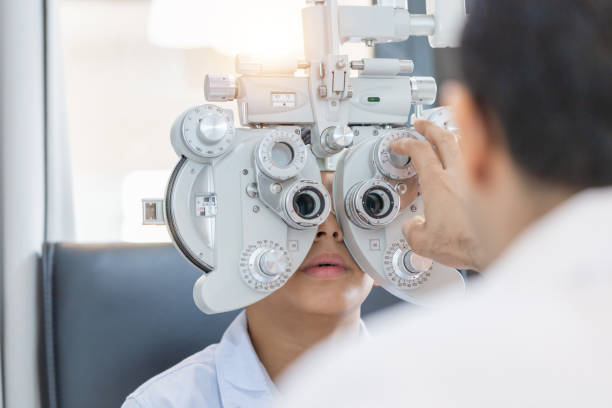
The field of eye care is rapidly evolving as technological advancements transform how patients’ access, receive, and benefit from vision health services. By 2025, significant trends are expected to redefine the industry, with artificial intelligence (AI), tele-optometry, and multichannel approaches playing key roles in improving care delivery and patient outcomes. Below is an exploration of these emerging trends and their potential to reshape the future of eye care.
Houston Eye Care Specialists – Advancing Precision in Eye Health with Artificial Intelligence
AI-driven technologies are becoming instrumental in diagnosing and managing various eye-related conditions. These innovations leverage machine learning algorithms to analyze complex datasets with unprecedented speed and accuracy.
Key applications of AI in eye care:
– Automated Disease Detection: AI-powered tools can detect early signs of glaucoma, diabetic retinopathy, macular degeneration, and other vision-threatening disorders by analyzing retinal images.
– Personalized Treatment Plans: Machine learning models help ophthalmologists design customized treatment strategies based on a patient’s unique medical history.
– Predictive Analytics: AI algorithms predict disease progression by studying patterns from previous cases, enabling preventive interventions.
Benefits for patients and providers: | Benefit | Description | |—————————–|—————————————————————————–| | Faster Diagnoses | Reduces time required for identifying issues through automated analysis. | | Improved Accuracy | Minimizes human errors in detecting subtle abnormalities. | | Enhanced Efficiency | Allows providers to focus on patient interactions rather than manual tasks.|
Houston Eye Clinic – Bridging Accessibility Gaps with Tele-Optometry
Tele-optometry is revolutionizing how patients access vision health services by enabling remote consultations with licensed optometrists or ophthalmologists. This approach offers unparalleled convenience for those living in rural or underserved areas or for individuals unable to attend physical appointments.
How tele-optometry works:
1. Patients schedule virtual appointments using secure telehealth platforms.
2. Digital tools like mobile apps or home-based devices collect basic vision data.
3. Optometrists conduct virtual consultations to evaluate symptoms or provide follow-up care.
Advantages of tele-optometry:
– Convenience: Patients can seek professional advice from the comfort of their homes.
– Enhanced Coverage: Extends services to remote regions where traditional clinics may not be available.
– Cost Efficiency: Reduces overhead costs related to infrastructure without compromising quality.
Multichannel Care – A Patient-Centric Approach
Comprehensive eye care increasingly demands a multichannel approach that integrates in-person visits with digital solutions and self-care tools. This model focuses on improving accessibility while emphasizing patient engagement throughout their healthcare journey.
Features of a multichannel system:
– Digital Appointment Scheduling: Allows patients to book visits online seamlessly.
– Wearable Technology Integration: Devices such as smart glasses monitor real-time data related to vision performance.
– Patient Education Platforms: Interactive resources empower individuals to understand their conditions better.
Why multichannel care matters:
1. Facilitates continuity across various touchpoints (physical or digital).
2. Encourages proactive management through educational resources.
3. Improves adherence rates by offering personalized reminders for treatments or check-ups.
As these trends continue gaining traction into 2025, they promise more accurate diagnoses, wider access to essential services, and an improved overall experience tailored specifically toward each patient’s needs.
Discover Expert Eye Care with a Leading Optometrist in Houston TX
The field of eye care is undergoing significant transformations driven by advancements in technology, evolving patient needs, and a growing emphasis on preventive care. Modern practices are no longer limited to traditional methods; they are embracing innovation to enhance patient outcomes and streamline operations. Understanding these changes is essential for both practitioners and patients as they navigate this rapidly shifting landscape.
Advancements in Diagnostic Technology
- Optical Coherence Tomography (OCT): This non-invasive imaging technique provides detailed cross-sectional images of the retina, aiding in the diagnosis of diseases like glaucoma, diabetic retinopathy, and macular degeneration.
- Fundus Autofluorescence (FAF): Used to detect changes in the retina’s pigment epithelium, FAF is particularly useful for monitoring inherited retinal disorders.
- Wavefront Aberrometry: This tool measures refractive errors and visual imperfections beyond standard prescriptions, resulting in more accurate corrective measures.
The Integration of Artificial Intelligence
- Detect early signs of diseases such as diabetic retinopathy or macular degeneration.
- Predict disease progression based on individual patient data.
- Assist clinicians by offering tailored treatment recommendations.
For example, AI-based platforms like Google’s DeepMind have demonstrated remarkable accuracy in identifying complex retinal conditions. Such tools are not designed to replace doctors but rather augment their ability to deliver high-quality care.
Tele-Optometry: Bridging Distance Gaps
Tele-optometry has emerged as a pivotal element in modern eye care practices, particularly after the global pandemic highlighted the importance of remote healthcare solutions. Patients now have access to virtual consultations through secure platforms that ensure convenience without compromising professionalism.
Benefits of Tele-optometry
| Benefit | Description |
| Accessibility | Enables individuals in rural or remote areas to consult with specialists without travel. |
| Cost-effectiveness | Reduces costs associated with transportation and time off work. |
| Continuity of Care | Supports ongoing monitoring for chronic conditions like glaucoma or diabetic retinopathy. |
While tele-optometry cannot replace all face-to-face visits — such as those requiring physical procedures — it provides an invaluable supplement that expands access to vision healthcare services.
Multichannel Patient Engagement
- In-Person Care: Traditional appointments remain fundamental for tests requiring hands-on expertise or specialized equipment.
- Digital Portals: Secure online systems allow patients to schedule appointments, refill prescriptions, or review test results conveniently.
- Mobile Applications: Apps designed specifically for vision health help patients track symptoms or manage their condition on the go.
By implementing these multichannel approaches effectively, practices can improve patient satisfaction while ensuring continuity across different modes of engagement.
Eye care professionals must adapt to these trends while maintaining their commitment to personalized treatment. The evolving landscape offers opportunities not only for improved outcomes but also for fostering a deeper connection between providers and patients through innovative solutions tailored to individual needs.
How Artificial Intelligence is Revolutionizing Eye Care Diagnosis and Treatment
Artificial Intelligence (AI) is transforming the field of eye care, offering innovative solutions for diagnosis, treatment, and patient management. By leveraging machine learning algorithms and advanced imaging technologies, AI has introduced unprecedented accuracy, efficiency, and accessibility in ophthalmology.
AI in Eye Disease Diagnosis
AI-powered tools have proven highly effective in detecting eye diseases early. These systems analyze medical images such as fundus photographs or OCT (Optical Coherence Tomography) scans to identify abnormalities.
Some key applications include:
– Diabetic Retinopathy Detection: AI algorithms can screen retinal images to detect signs of diabetic retinopathy with remarkable accuracy.
– Glaucoma Screening: Machine learning models assess optic nerve damage and predict the risk of glaucoma progression.
– Age-Related Macular Degeneration (AMD): AI systems help in early detection by identifying patterns associated with AMD in retinal scans.
| Disease | AI Application | Benefits |
| Diabetic Retinopathy | Image analysis using deep learning | Early intervention and progression management |
| Glaucoma | Optic nerve imaging evaluation | Prevention of vision loss |
| Age-Related Macular Degeneration (AMD) | Risk assessment via OCT scans | Improved long-term outcomes |
Precision Treatment with AI
- Customized Cataract Surgery Planning: AI assists surgeons by calculating optimal intraocular lens (IOL) positioning for clearer post-surgical vision.
- Retinal Disease Management: Algorithms predict the effectiveness of anti-VEGF injections for conditions like AMD or diabetic macular edema, improving treatment outcomes.
Enhancing Accessibility Through Automated Tools

- Portable Diagnostic Devices: Affordable smartphone-based tools integrated with AI allow non-specialists to perform primary eye care screenings quickly and cost-effectively.
- Telemedicine Integration: Remote consultations powered by AI assist optometrists in diagnosing diseases without requiring patients’ physical presence.
Key Advantages of AI in Eye Care
- Improved Accuracy: Advanced algorithms reduce the likelihood of human error during diagnosis.
- Time Efficiency: Automated systems enable faster processing of test results.
- Enhanced Patient Outcomes: Early detection leads to timely treatment, reducing the risk of severe complications.
- Reduced Costs: Automation minimizes labor-intensive processes while optimizing resource use.
Challenges and Ethical Considerations
- Data Privacy Concerns – Ensuring patient information remains secure when processed through cloud-based platforms.
- Algorithm Bias – Addressing disparities that arise from training datasets lacking diversity.
- Regulatory Approvals – Gaining acceptance from governing bodies for widespread clinical use.
By addressing these challenges responsibly, the integration of artificial intelligence holds immense potential to revolutionize how we diagnose and treat eye conditions while safeguarding patient trust and safety.
The Growing Role and Benefits of Tele-Optometry Services in Vision Health
Tele-optometry has emerged as a transformative approach to delivering vision care, leveraging technology to provide accessible and efficient eye health services. As the demand for remote healthcare continues to rise, tele-optometry is reshaping how patients access examinations, consultations, and follow-ups.
Key Benefits of Tele-Optometry
- Accessibility for Rural and Underserved Areas
Patients living in remote or rural areas often face challenges accessing eye care services due to limited availability of specialists. Tele-optometry bridges this gap by enabling virtual consultations with licensed optometrists. This ensures that individuals in underserved regions have access to essential vision screenings and advice. - Convenience for Patients
Tele-optometry eliminates the need for patients to travel long distances or spend time in waiting rooms. Whether it’s a routine check-up or discussing symptoms with an eye doctor, virtual appointments allow individuals to receive care from the comfort of their homes. - Timely Diagnosis and Management
With tele-optometry tools like smartphone-based visual acuity tests and cloud-connected retinal imaging systems, early detection of conditions such as glaucoma, macular degeneration, and diabetic retinopathy becomes more feasible. Swift diagnosis through digital platforms can lead to timely interventions. - Cost Efficiency
By reducing travel costs and enabling quick access to specialists without requiring physical visits, tele-optometry can significantly lower expenses for both patients and healthcare systems.
Tele-Optometry Services at a Glance
| Service Type | Description | Tools Involved |
| Virtual Eye Exams | Basic vision tests conducted online | Visual acuity apps, webcams |
| Remote Consultations | Discussions with optometrists over video calls | Video conferencing software |
| Digital Imaging Review | Analysis of retinal scans uploaded by patients | AI-powered imaging platforms |
| Prescription Renewals | Updating eyewear or contact lens prescriptions | Online patient portals |
Challenges Facing Tele-Optometry Adoption
- Technology Limitations: Low-quality internet connections or lack of appropriate devices can obstruct virtual care delivery for some patients.
- Regulatory Hurdles: Different regions have varying laws governing online medical services, which can limit adoption.
- Comprehensive Care Gaps: Not all aspects of eye care—such as refractions requiring precise measurements—can be fully replicated via remote methods.
The Future Outlook
As technologies like artificial intelligence (AI) become more integrated into tele-optometry platforms, diagnostic accuracy is expected to improve further. Additionally, innovations such as smart contact lenses with embedded sensors may enable real-time monitoring of ocular health through connected systems.
Tele-optometry holds immense potential to transform the landscape of vision health by improving accessibility, enhancing convenience for patients, and ensuring timely intervention for various eye conditions—all while complementing traditional in-office care practices.
Understanding Patient-Centric Multichannel Approaches in Comprehensive Eye Care
In the evolving landscape of eye care, patient-centric multichannel approaches are transforming the way vision health services are delivered. These approaches prioritize patient needs and preferences while leveraging multiple communication and service channels to ensure seamless, personalized, and accessible care. Below is a detailed exploration of how such strategies enhance both patient outcomes and overall satisfaction.
What is a Multichannel Approach in Eye Care?
A multichannel approach involves integrating various platforms, technologies, and communication methods to deliver comprehensive care. It aims to connect patients with their eye care providers across multiple touchpoints, both physical and digital.
Key components of a multichannel strategy include:
– In-Person Visits: Traditional face-to-face consultations remain critical for detailed examinations and treatments requiring advanced equipment.
– Telehealth Services: Virtual consultations allow patients to connect with optometrists from the comfort of their homes.
– Mobile Health Applications: Apps enable appointment scheduling, reminders, and access to medical records or prescriptions on-the-go.
– Email & Messaging Platforms: Secure channels for follow-ups, sharing test results, or answering post-consultation queries.
– Retail Optometry Integration: Partnerships between clinics and retail outlets for convenient eyewear services.
Benefits of Patient-Centric Multichannel Systems
- Patients living in remote areas can use tele-optometry services when travel is challenging.
- Flexible scheduling via apps or websites accommodates diverse lifestyles.
- Data collected through various channels can provide insights into individual patient needs.
- AI-powered systems adapt treatment recommendations based on unique patient profiles.
- Follow-ups or second opinions become easier with centralized electronic records.
- Patients can receive ongoing support through digital channels after in-person visits.
- Virtual consultations reduce costs associated with transportation or frequent clinic visits.
- Automated systems minimize administrative overhead for both patients and practices.
| Channel | Advantages | Example Use Case |
| In-person consultations | Comprehensive exams & diagnostics | Diagnosing cataracts or glaucoma |
| Tele-optometry | Remote access to specialists | Managing routine check-ups virtually |
| Mobile apps | Convenience & remote management | Booking appointments via smartphone |
| Email/messaging | Quick communication | Sharing prescription updates |
Challenges to Address in Implementing Multichannel Approaches
- Ensuring all platforms comply with data privacy regulations like HIPAA for secure medical information management.
- Avoiding fragmentation of care by properly syncing data between physical clinics and digital platforms.
- Training staff on new technologies to maintain consistency across all service points.
Future Outlook for Multichannel Eye Care
The rise of emerging technologies such as artificial intelligence (AI), machine learning algorithms, and wearable devices will further streamline multichannel approaches in eye care. As these solutions evolve, they promise even greater adaptability toward individual preferences while maintaining high standards of clinical accuracy.
- Comprehensive Eye Care with an Optometrist in Houston TX for Better Vision Health
- Discover Comprehensive Eye Care at Houston Eye Clinic: A Guide to Modern Eye Health
- How Often Should You Visit Your Optometrist Houston TX
- Exploring Eye Doctor Houston TX Services: Innovations in AI, Tele-Optometry, and Multichannel Care for 2025
- How and Why You Should Avoid Rubbing Your Eyes and Protecting Eye Health
- The Importance of Regular Visits to an Eye Doctor Houston TX